1. Never swim alone
I know, I know. Sometimes a spontaneous dip sounds like the perfect solo adventure. But open water can be unpredictable, and things can go wrong quickly. Having someone with you means there’s help on hand if you get into difficulty, feel unwell or simply need support getting out.
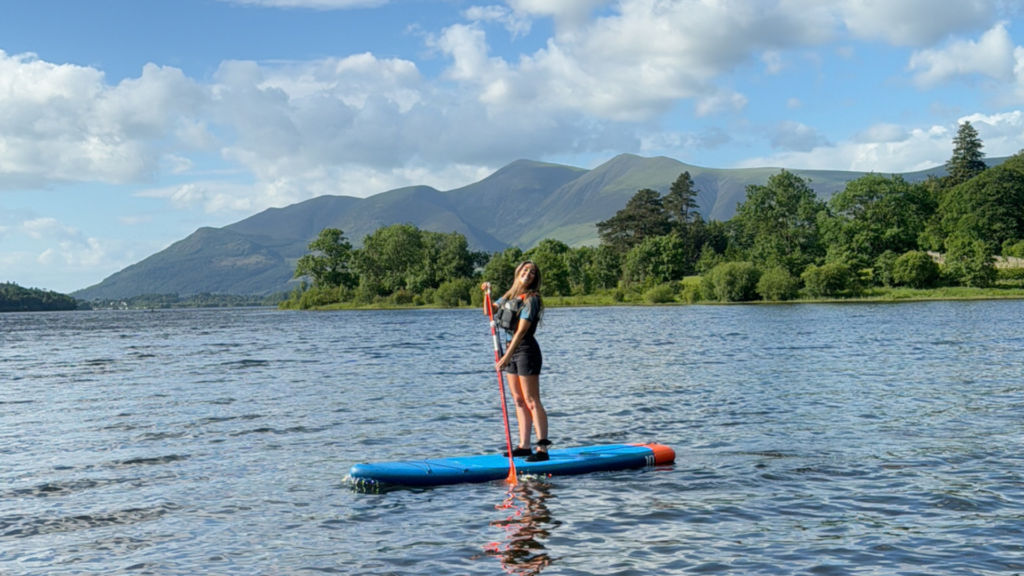
If you’re paddleboarding or kayaking, the same applies.
2. Tell someone where you’re going
Even if you’re heading out with friends, let someone know where you’re going and roughly when you expect to be back.
It’s one of those things that feels unnecessary until the day it isn’t.
3. Know your entry and exit points
Before you get in, take a few minutes to scope out the area.
Where are you getting in? Where are you getting out? And if that exit point doesn’t work out, what’s your backup plan?
The water always looks different when you’re in it than when you’re standing on the shore.
4. Use the right safety kit
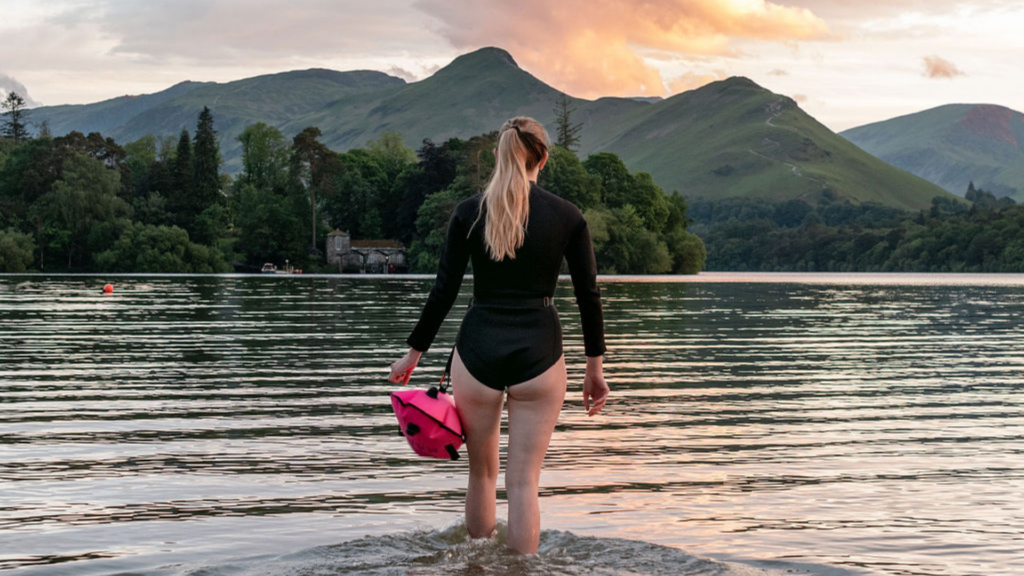
If you’re swimming, a brightly coloured tow float is one of the best bits of kit you can carry. It helps other water users see you and gives you something to hold onto if you need a breather.
If you’re paddleboarding or kayaking, wear a personal flotation device (PFD). Not carry it. Not strap it to your board. Wear it.
5. Learn how to read the tide
If you’re heading to the coast, spend some time learning about tides before you go.
A beach that looks calm and inviting can feel very different a few hours later. Tides affect currents, access points and safety, so it’s worth understanding what the sea is doing before you get in.
6. Check the weather
The weather doesn’t just affect how enjoyable your day will be. It can affect how safe it is too.
Strong winds can make paddleboarding surprisingly challenging, and rain can affect water quality in some areas.
A quick forecast check before leaving the house can save a lot of trouble later.
7. Ease yourself into the water
Even on a warm day, the water can be shockingly cold.
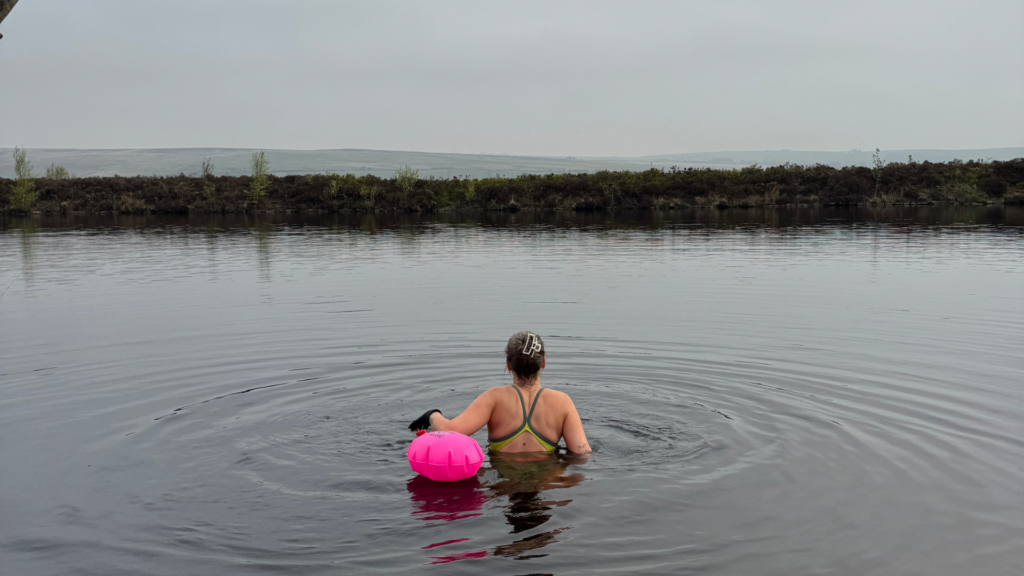
Give your body time to adjust and resist the urge to jump straight in. Enter slowly, control your breathing and allow yourself a moment to acclimatise.
Your Instagram followers will survive without the dramatic plunge video.
8. Check water quality before you go
This is one that many people forget.
Before heading out, check for water quality warnings, pollution alerts or sewage discharges in the area. Heavy rainfall can often affect water quality too.
A beautiful swimming spot isn’t always a clean swimming spot.
9. Pack layers for afterwards
Most people focus on what they’re wearing in the water and forget about what happens when they get out.
Dry clothes, warm layers and a waterproof jacket can make all the difference, even in the middle of summer.
10. Get your top half warm first
Once you’re out of the water, focus on warming up your core before worrying about your legs.
Get a dry top, fleece or jacket on as soon as possible. Your body is working hard to protect your vital organs, so helping your core warm up first can make a big difference to how quickly you feel comfortable again.
The leggings can wait a minute.
11. Bring a flask
Few things in life beat a hot drink after a swim.
A flask of tea, coffee or hot chocolate won’t magically warm you up instantly, but it’ll certainly help you feel human again while you’re getting changed.
12. Know the hazards
Take a look around before getting in.
Are there strong currents? Submerged rocks? Boat traffic? Weirs? Fast-flowing water?
A quick assessment can help you spot risks before they become problems.
13. Don’t jump into water you haven’t checked
What looks like a deep pool isn’t always deep.
Water levels change, hidden obstacles exist and injuries from jumping into unknown water are far more common than most people realise.
When in doubt, get in feet first.
14. Leave no trace
Take your litter home, respect wildlife and leave places as you found them.
Wild swimming is special because of the places it takes us. The more we look after them, the more likely they are to stay that way for everyone else.